
Energy Storage Blog | BESS Insights and Technical Guides

Share the latest technical insights and explore cutting-edge development practices

Technical blog

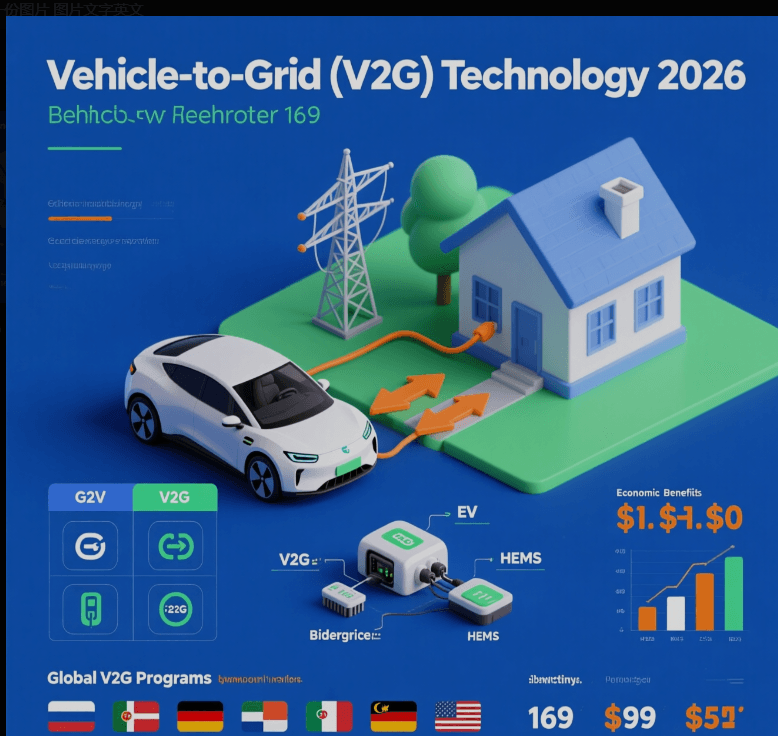
How V2G Connects EVs, Home Energy and Power Markets

How V2G Connects EVs, Home Energy and Power Markets

Your electric car is about to become more than just a way to get around—it's about to become a home battery, a grid resource, and potentially the most valuable piece of equipment you own. Vehicle-to-Grid (V2G) technology, once a curiosity confined to research labs and pilot programs, is now rolling out at scale across North America, Europe, and Asia. In 2026, over 50 million electric vehicles worldwide are V2G-capable, and early adopters are earning $1,500 to $4,000 per year by letting their cars provide grid services while they sleep. The convergence of EVs, home batteries, and smart charging is creating a distributed energy ecosystem that challenges every assumption about how electricity markets work.
Top 10 Energy Storage Trends for 2027–2030

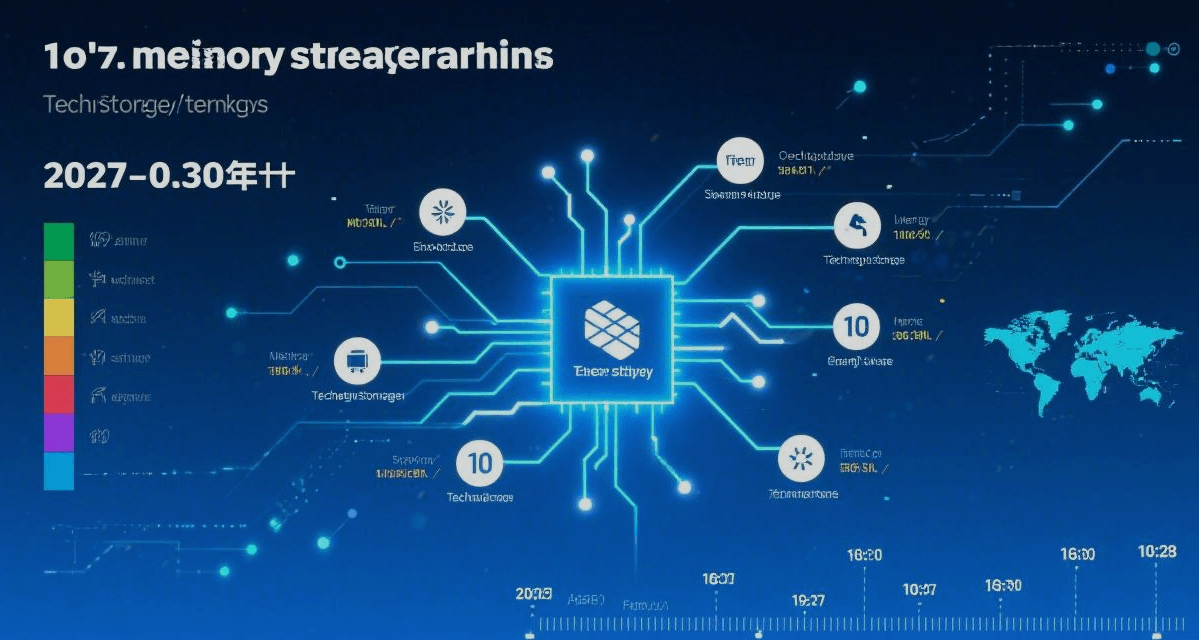
Top 10 Energy Storage Trends for 2027–2030

The energy storage industry has come a long way since 2010, when large-scale battery systems were rare, expensive experiments costing over $1,000 per kilowatt-hour. In 2026, the global market for energy storage exceeds $50 billion annually, with battery costs below $150/kWh and installations ranging from pocket-sized home systems to massive utility-scale projects covering hundreds of acres. But the revolution is far from over—if anything, it's accelerating. Between 2027 and 2030, the industry will witness the maturation of solid-state batteries, the emergence of sodium-ion as a serious competitor to lithium, the deployment of long-duration storage technologies that can store energy for days rather than hours, and the integration of artificial intelligence that will optimize every aspect of energy storage from manufacturing to grid dispatch. This article explores the ten most important trends that will shape the energy storage landscape over the next five years.

LiFePO4 Batteries for Energy Storage in 2026

LiFePO4 Batteries for Energy Storage in 2026

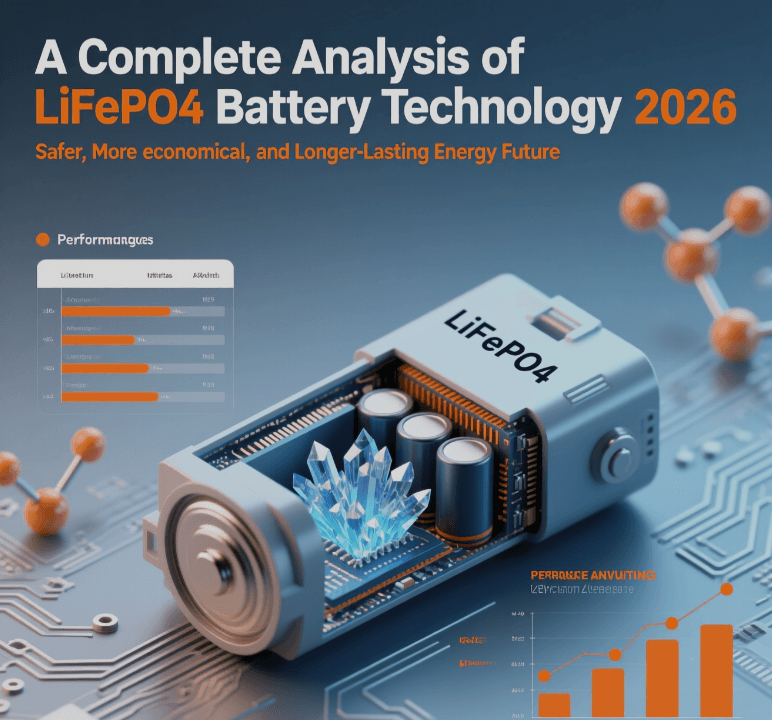
In 2026, one battery chemistry has risen above all others in the energy storage race: Lithium Iron Phosphate, or LiFePO4. Once considered a niche alternative to lithium-ion batteries, LiFePO4 now powers everything from residential solar installations to utility-scale grid storage facilities. The numbers tell a compelling story—LiFePO4 battery prices have dropped 80% since 2015, cycle life exceeds 10,000 charges, and thermal runaway incidents are virtually nonexistent compared to NCA and NCM chemistries. As governments push toward net-zero carbon targets and homeowners seek energy independence, LiFePO4 has emerged as the technology that makes clean energy storage accessible, affordable, and safe for everyone.

Grid-Scale Energy Storage: Powering Renewables

Grid-Scale Energy Storage: Powering Renewables

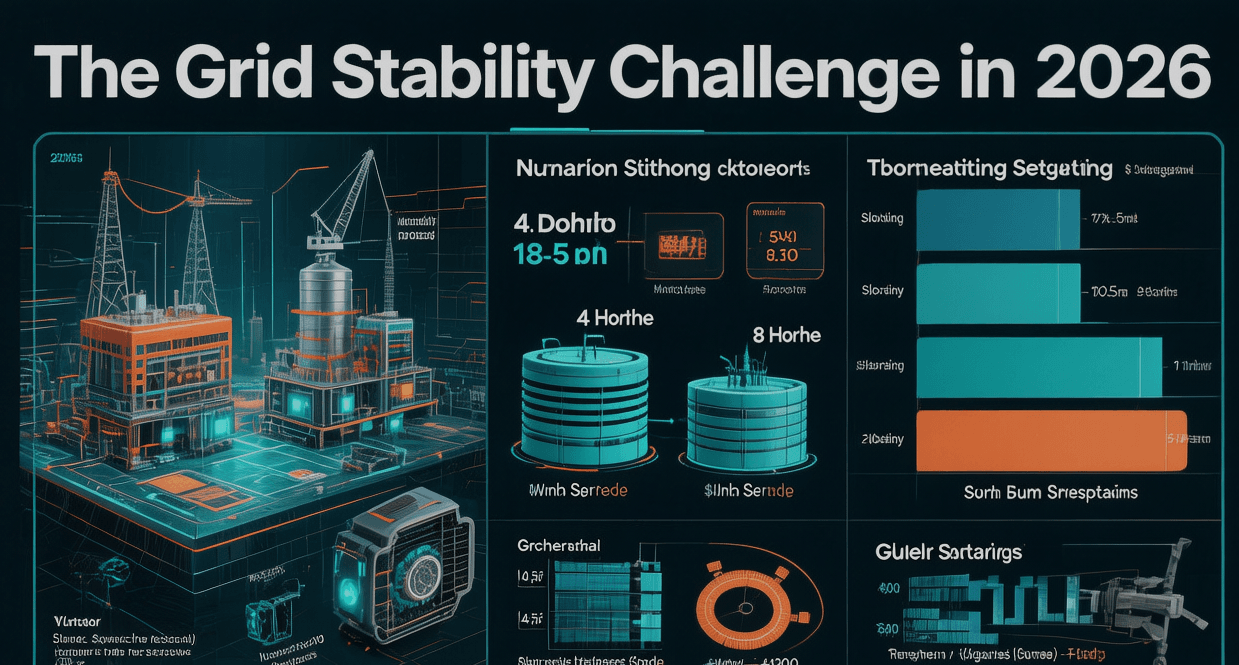
The electricity grid that powers our homes and businesses was built for a different era—when power came from predictable coal and nuclear plants that ran 24/7, and the biggest challenge was meeting peak demand on hot summer afternoons. In 2026, that grid faces an existential challenge: how to integrate massive amounts of solar and wind power that generate electricity when the sun shines and wind blows, not when demand peaks. The answer is grid-scale energy storage, and its growth has been nothing short of explosive. Global utility battery storage capacity reached 500+ GWh in 2026, up from just 10 GWh in 2015. These massive battery installations—some covering acres of land with hundreds of megawatt-hours of capacity—are performing critical grid services that were once the exclusive domain of fossil fuel power plants: frequency regulation, peak demand reduction, renewable energy time-shifting, and even providing the "black start" capability needed to restart the grid after a blackout.

Home Energy Storage in 2026: Is It Worth the Investment?

Home Energy Storage in 2026: Is It Worth the Investment?

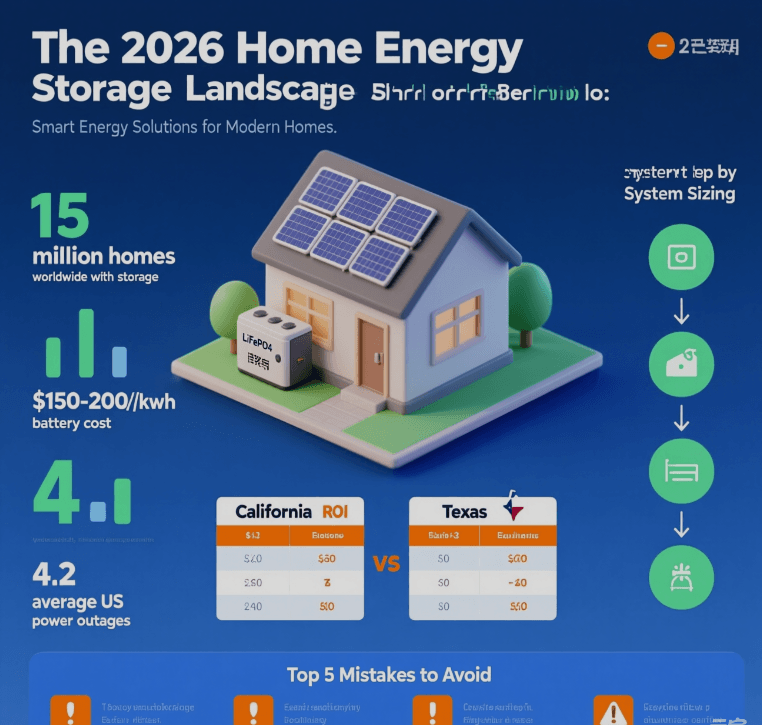
After years of promises and pilot programs, home energy storage has crossed the threshold from "interesting technology" to "smart financial decision" in 2026. A typical residential battery system now costs $12,000-25,000 installed, down from $40,000-60,000 just five years ago. Federal tax credits cover 30% of the cost in the United States, while state rebates and utility incentives can reduce the net investment by another $5,000-15,000. Combine these incentives with rising electricity rates averaging 8% annually across North America and Europe, and the economics of home battery storage finally work on their own merits—no government mandate or environmental guilt required. This guide walks you through exactly how to size a system, what it costs, what you'll save, and how long until it pays for itself.