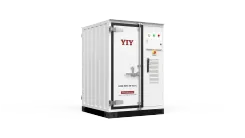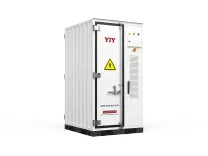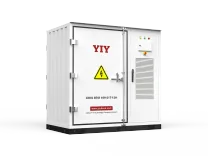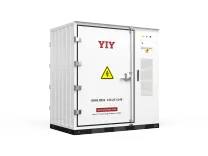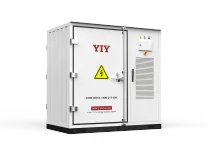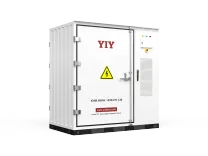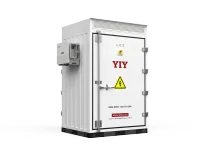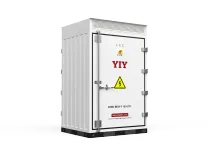

In 2026, approximately 15 million homes worldwide have added battery storage to their solar installations. In the United States alone, residential battery deployments reached 2.5 million systems—up from just 200,000 in 2022. This explosion in adoption is driven by:
Start with your utility bills from the past 12 months. Calculate:
Average daily consumption = (Annual kWh ÷ 365)
For example, if you use 10,000 kWh per year, your daily average is: 10,000 ÷ 365 = 27.4 kWh/day
Different goals require different system sizes:
Goal A — Backup Power Only (Grid Outages)
Goal B — Peak Shaving / Bill Reduction
Goal C — Near-Full Energy Independence
Battery capacity and solar capacity must be matched:
Rule of thumb: 1 kW of solar generates 4-5 kWh/day (varies by location)
| Location | Peak Sun Hours/Day | kWh per kW/Day |
|---|---|---|
| California | 5.5-6.5 | 5.5-6.5 |
| Texas | 4.5-5.5 | 4.5-5.5 |
| Florida | 4.5-5.5 | 4.5-5.5 |
| Germany | 2.5-3.5 | 2.5-3.5 |
| Australia | 4.0-6.0 | 4.0-6.0 |
Full Independence Example:
| Component | Typical Cost | Notes |
|---|---|---|
| Solar panels (7 kW) | $10,500-14,000 | $1.50-2.00/W |
| LiFePO4 battery (20 kWh) | $10,000-14,000 | $500-700/kWh |
| Hybrid inverter | $3,000-5,000 | Must match panel + battery specs |
| Balance of system | $2,000-3,000 | Wiring, mounting, monitoring |
| Installation labor | $3,000-6,000 | Varies by region and complexity |
| Permits & inspection | $500-1,500 | Required in most jurisdictions |
| TOTAL | $29,000-43,500 | Before incentives |
Net cost after incentives: $15,000-25,000 (typical US homeowner)
System: 7 kW solar + 20 kWh LiFePO4 Installed cost: $36,000 After 30% ITC: $25,200 Annual savings breakdown:
| Savings Source | Annual Value |
|---|---|
| Solar generation (12,000 kWh × $0.22/kWh) | $2,640 |
| TOU arbitrage (20 kWh × $0.20/kWh × 365) | $1,460 |
| Demand response (12 months × $100) | $1,200 |
| Net metering credits | $200 |
| TOTAL ANNUAL SAVINGS | $5,500 |
Simple payback: $25,200 ÷ $5,500 = 4.6 years
25-year net value: ($5,500 × 25) - $10,000 (battery replacement) = $127,500
System: 8 kW solar + 15 kWh LiFePO4 Installed cost: $32,000 After incentives: $22,400
Annual savings breakdown:
| Savings Source | Annual Value |
|---|---|
| Solar generation (11,000 kWh × $0.13/kWh) | $1,430 |
| TOU arbitrage (15 kWh × $0.12/kWh × 365) | $657 |
| Backup power value (estimated) | $400 |
| TOTAL ANNUAL SAVINGS | $2,487 |
Simple payback: $22,400 ÷ $2,487 = 9.0 years
25-year net value: ($2,487 × 25) - $8,000 = $54,175
For residential applications in 2026, LiFePO4 is the clear winner:
Why LiFePO4:
Why NOT other chemistries:
Beyond financial ROI, battery backup provides irreplaceable peace of mind:
Average US outage duration: 4.2 hours (2024 data) Extreme events: Hurricanes, winter storms, and wildfires caused outages lasting 3-7 days in 2024-2025
A 15 kWh LiFePO4 battery can power:
Home energy storage in 2026 is no longer a luxury or an environmental statement—it's a financially sound investment that delivers returns in 5-9 years while providing invaluable backup power protection. With LiFePO4 technology delivering 20+ year lifespans, 30% federal tax credits available, and electricity rates rising 8% annually, the window of opportunity is now. Every month you wait costs you the savings that month would have generated.