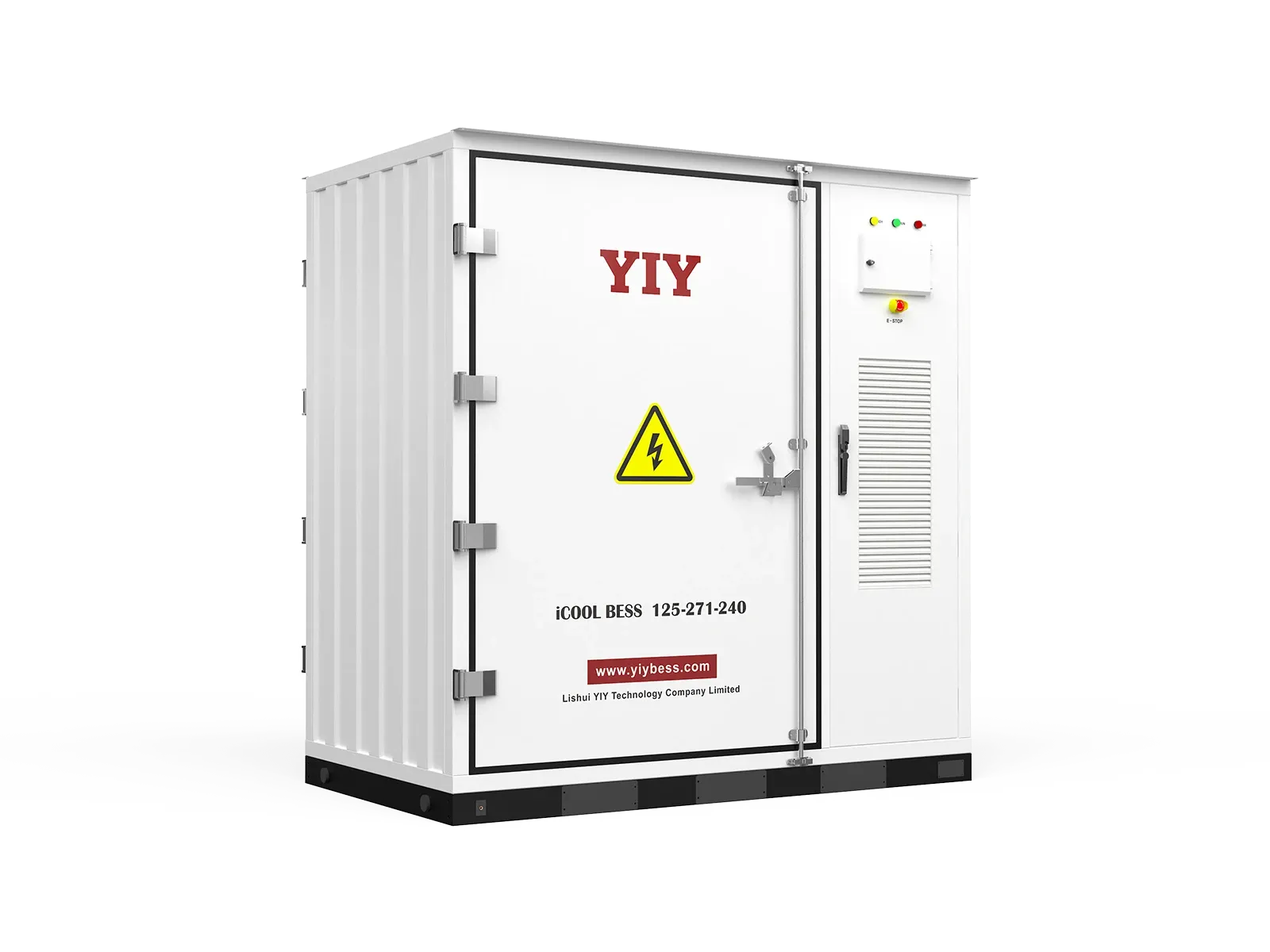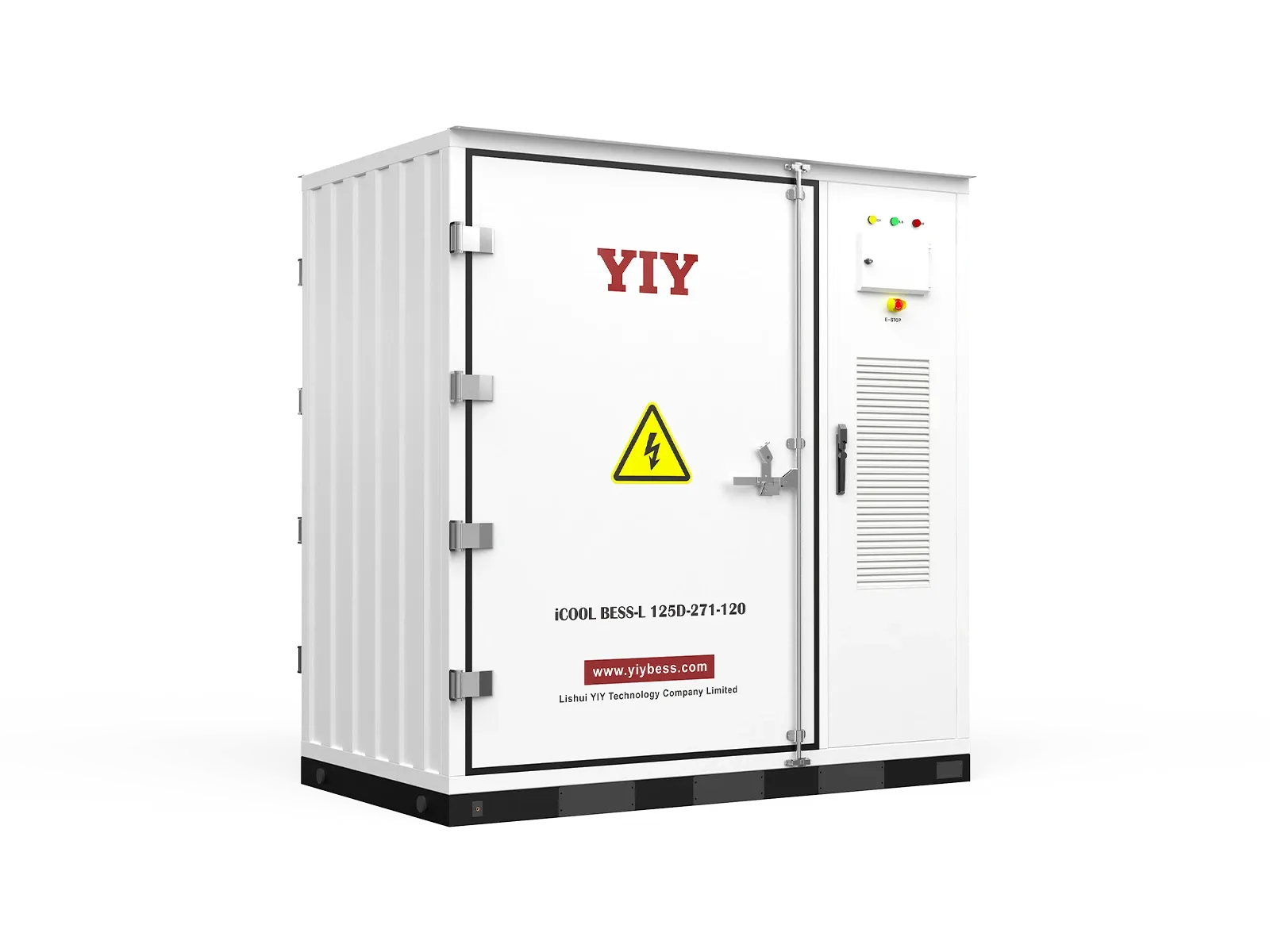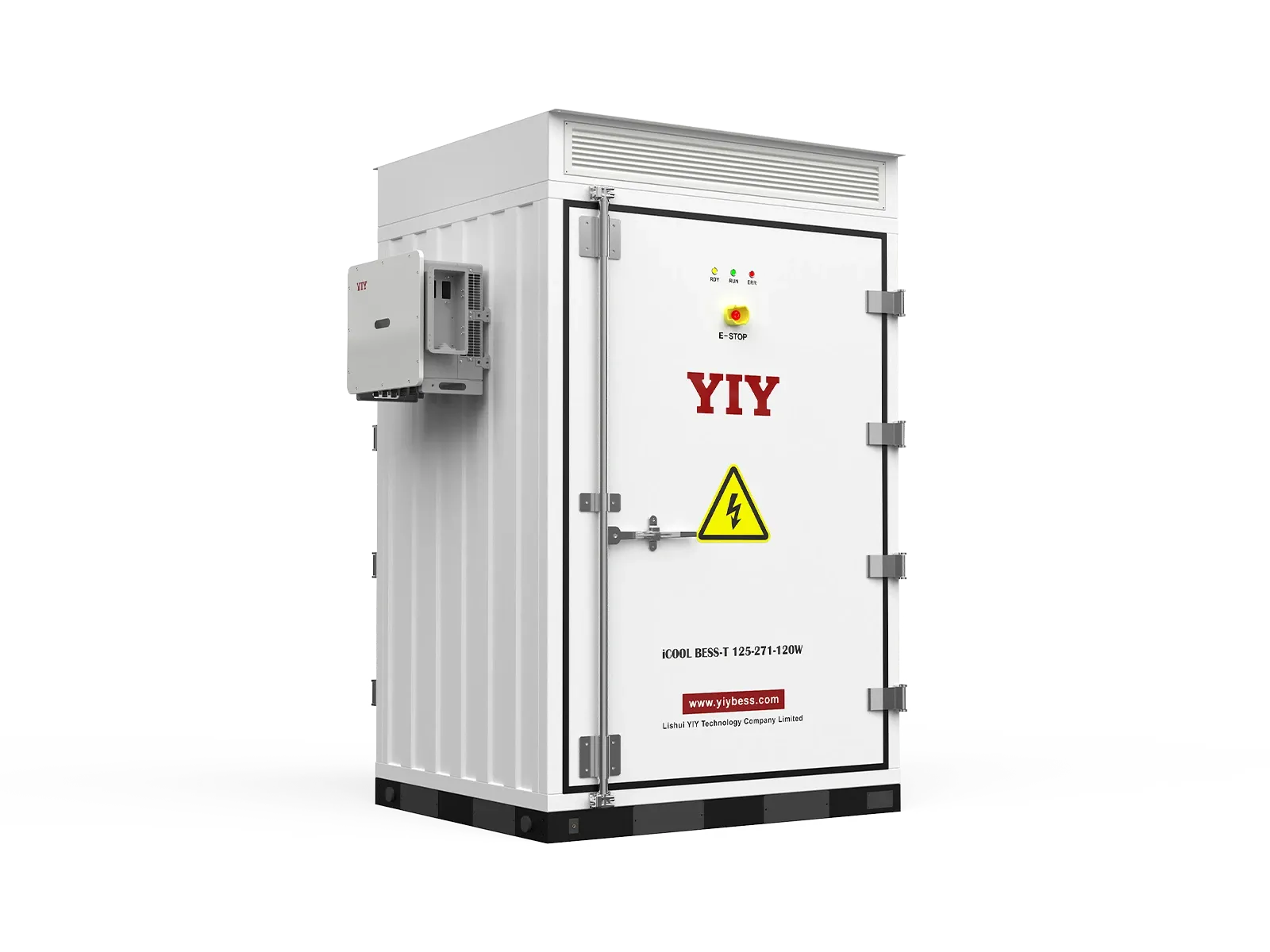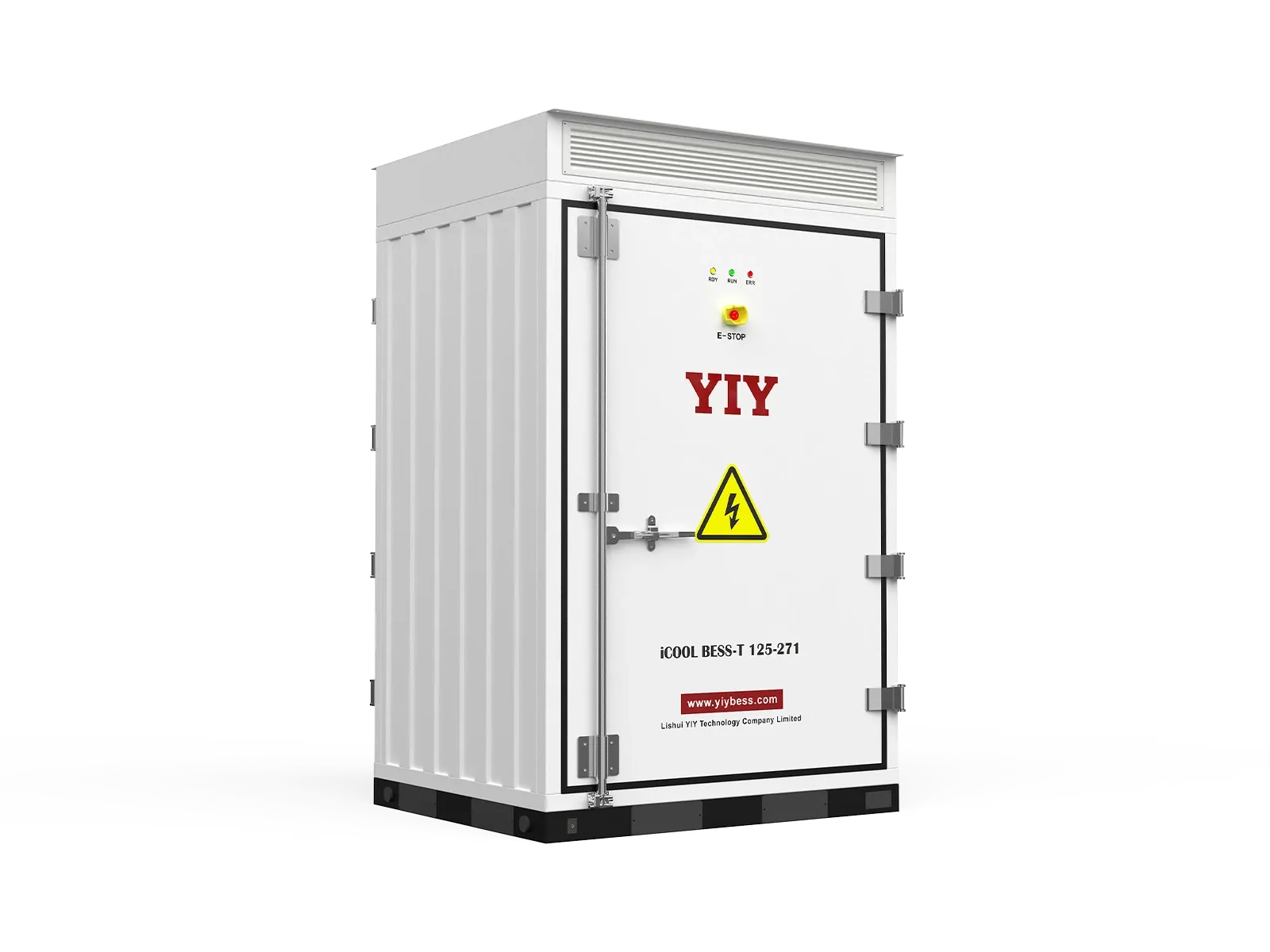
MICROGRID BESS

  • Self-consumption
  • Off-grid independent operation
MICROGRID BESS

Overview

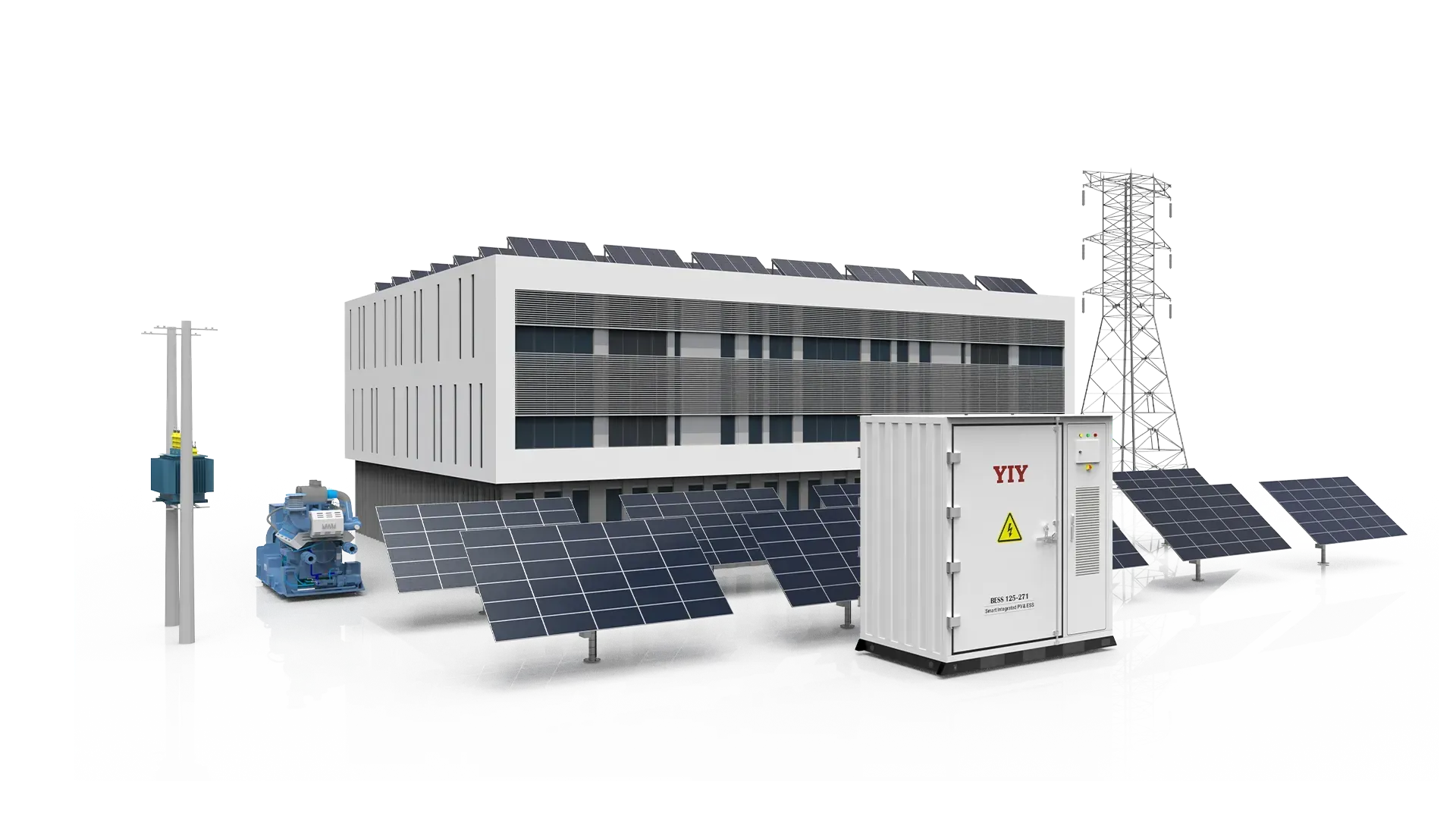
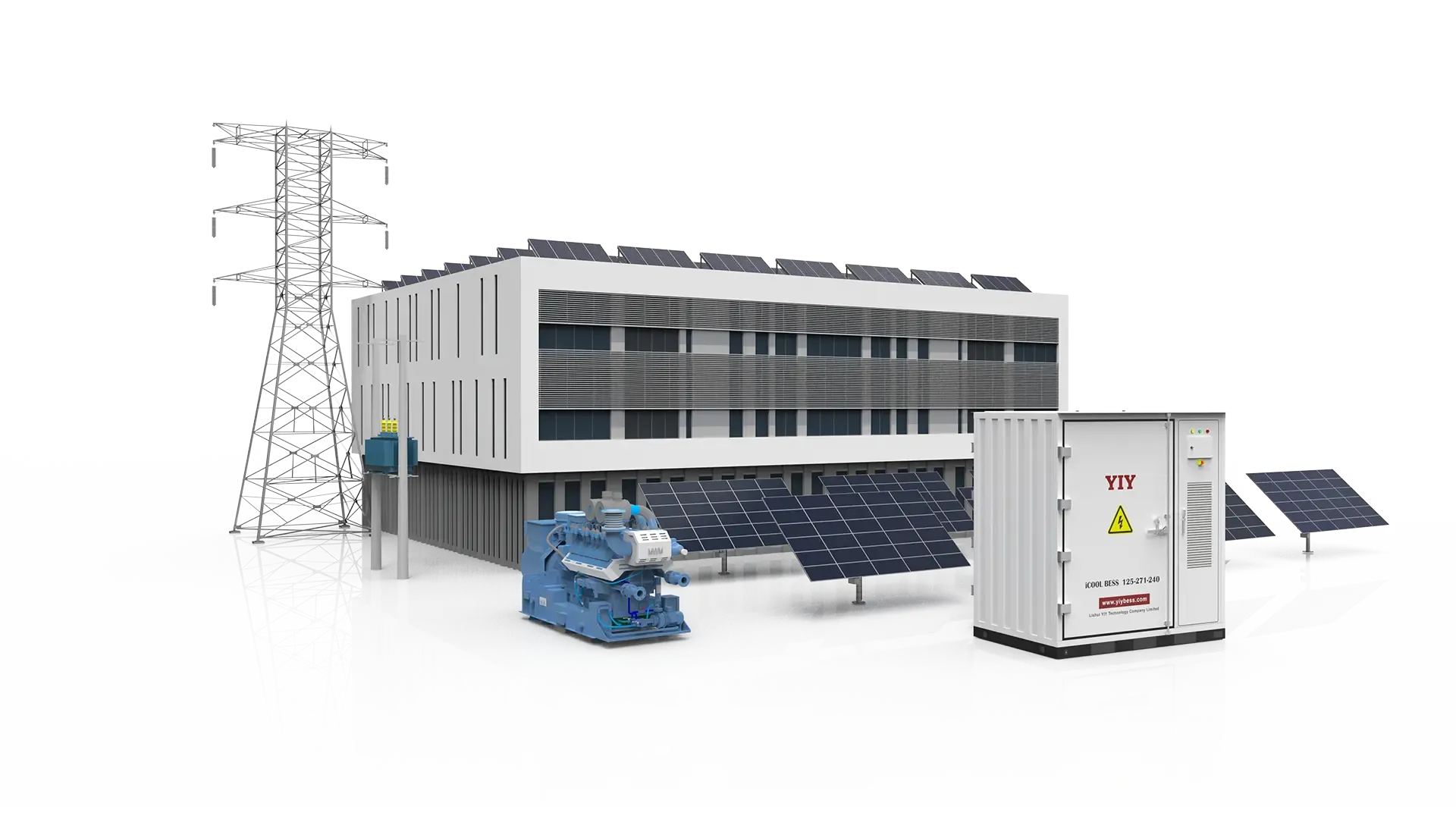
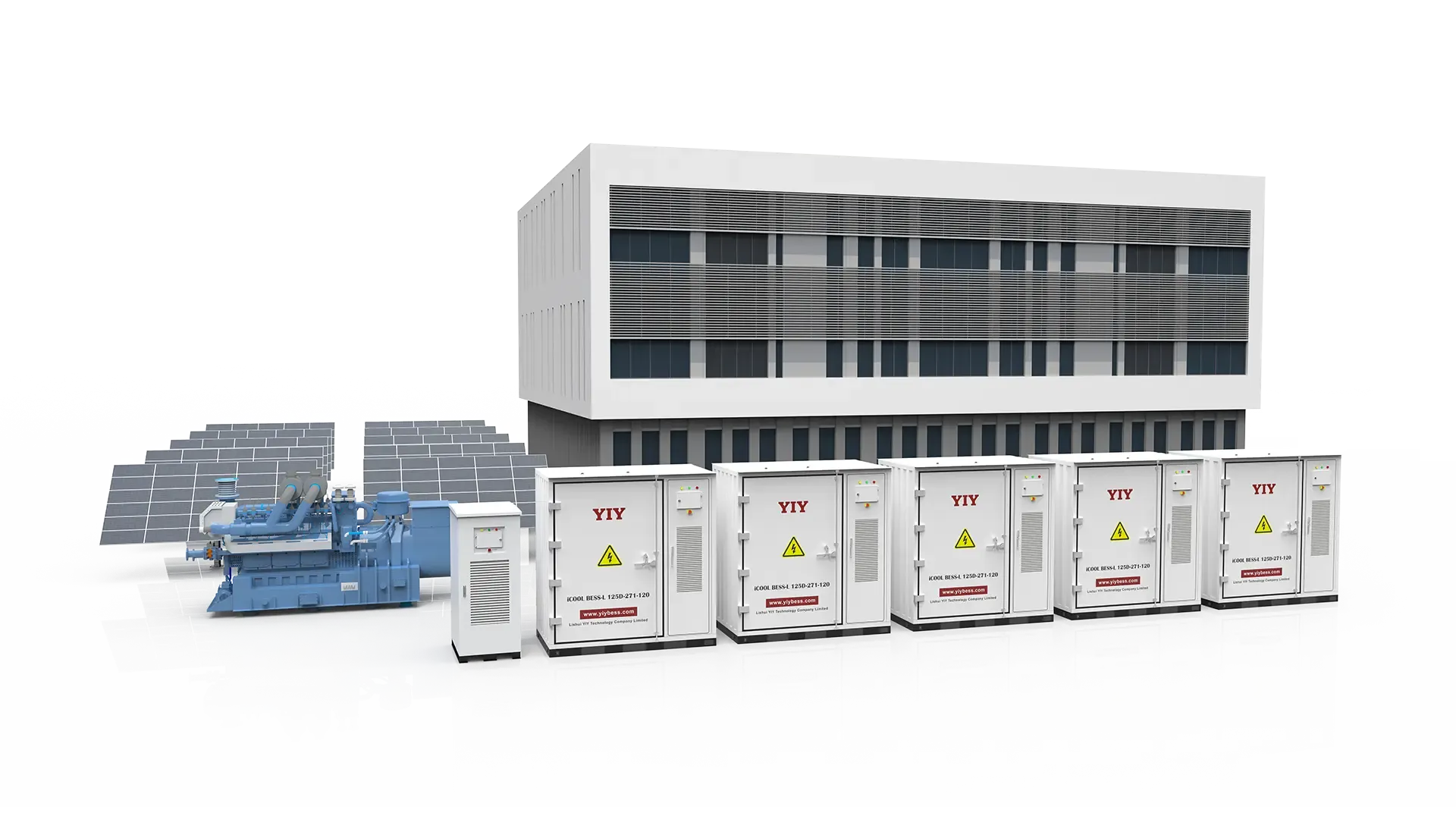
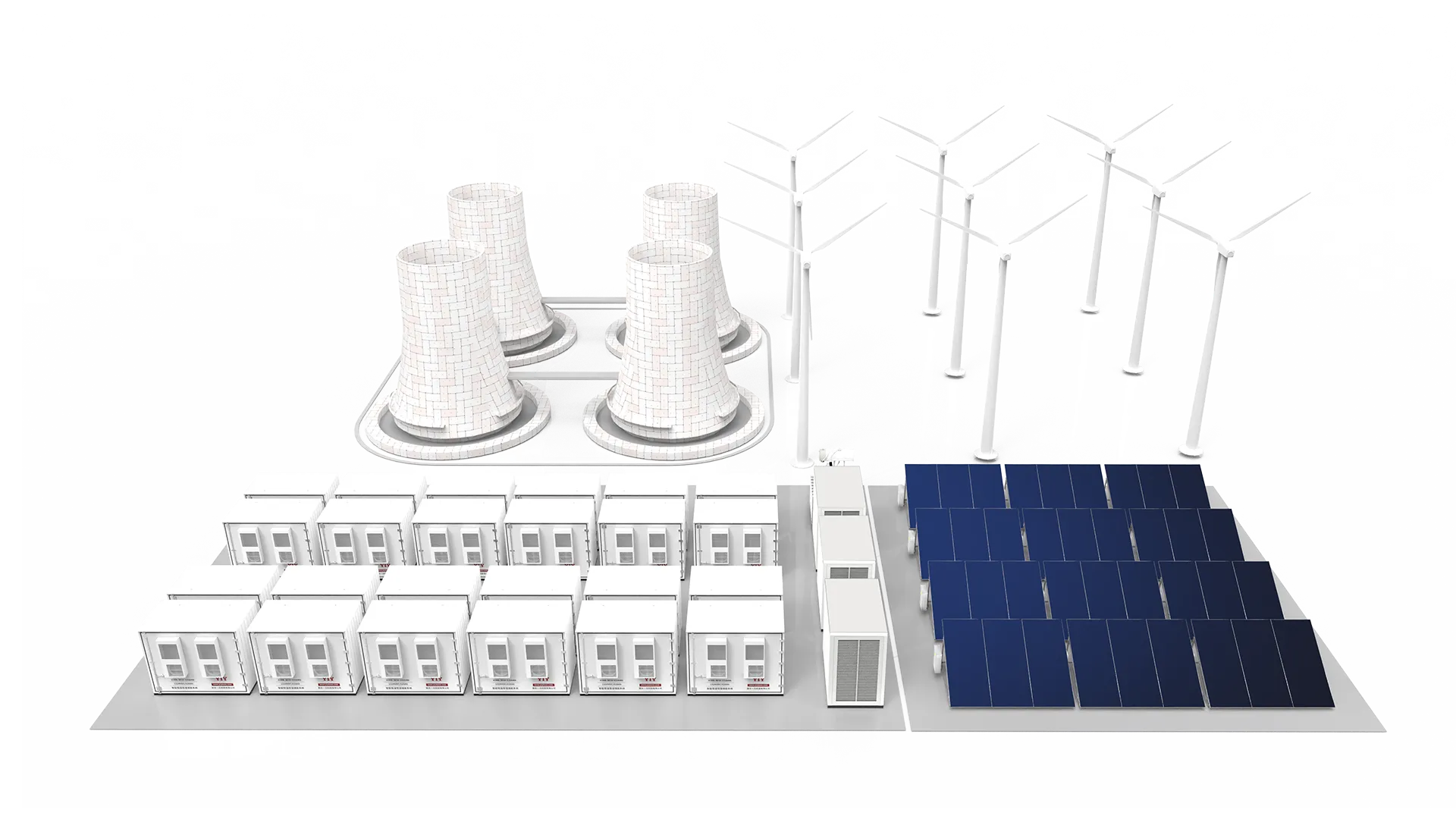
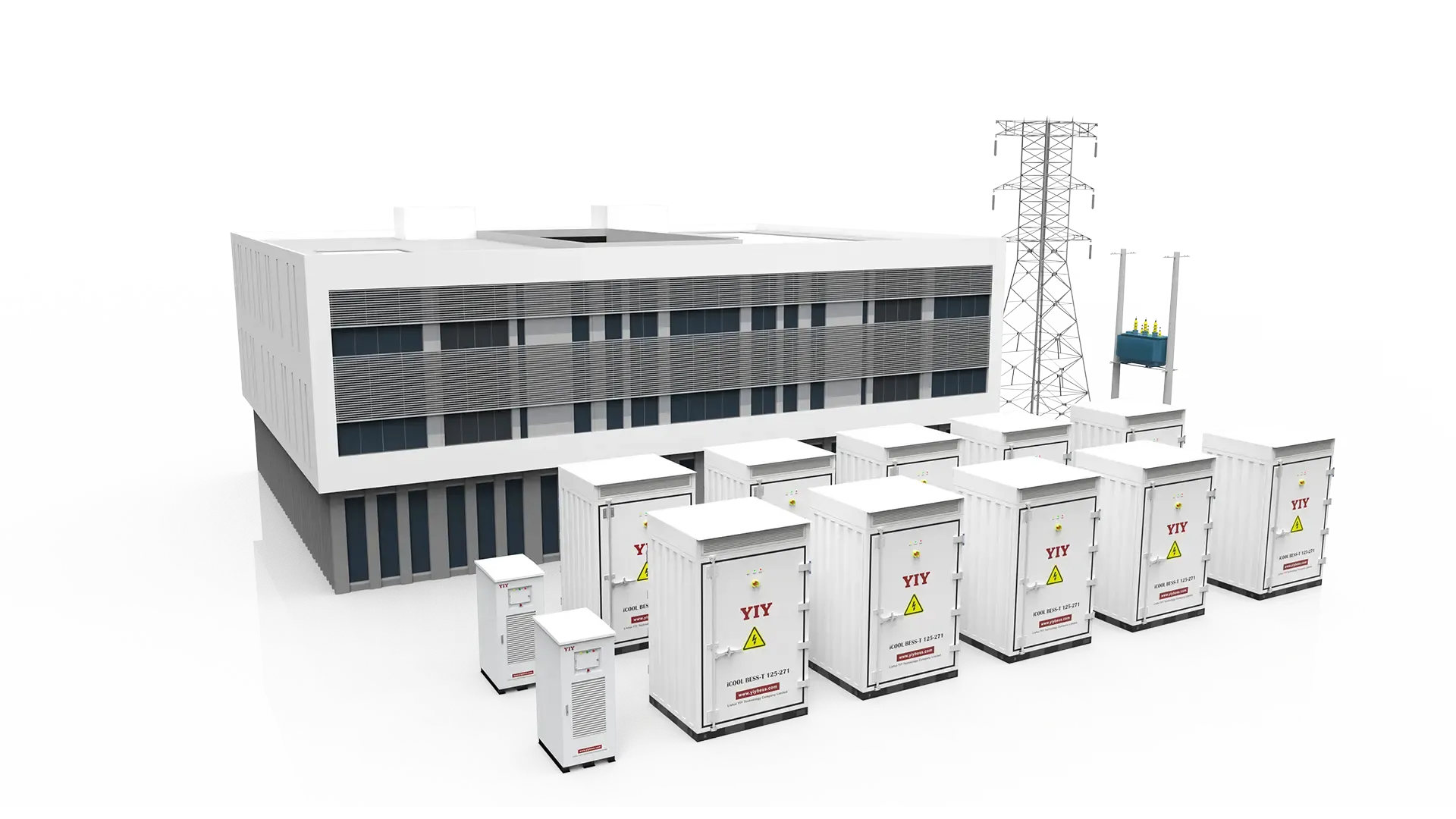
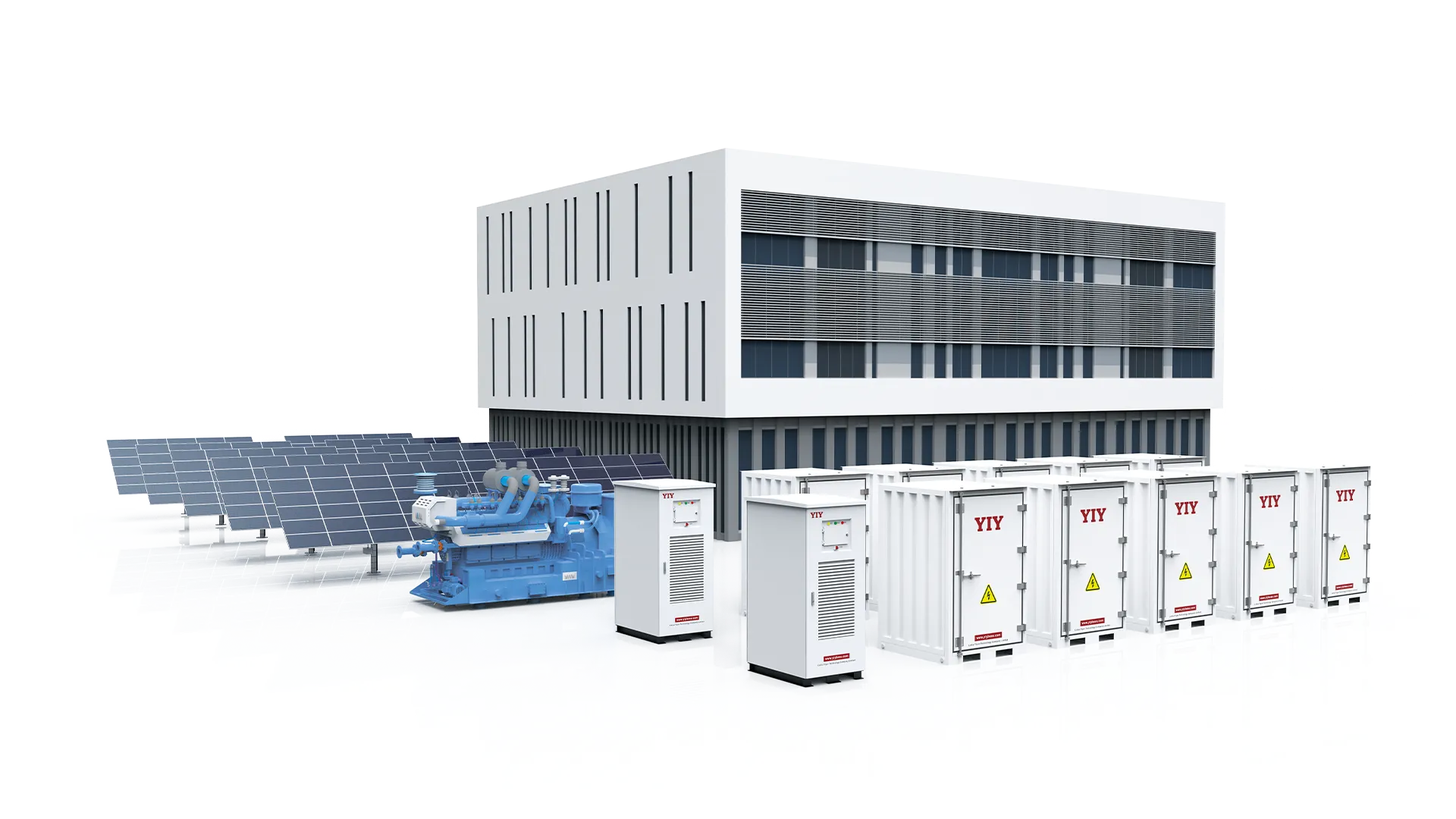
In off-grid scenarios without a city power, the PV-ESS-Diesel microgrid System plays a core role as an "autonomous, reliable, and efficient lifeline energy system." Solar power is prioritized for supply, energy storage provides real-time frequency and voltage regulation and power smoothing, and the diesel generator acts as a stable backup, forming a tiered "solar + battery + diesel generator" guarantee system to ensure the long-term stable operation of the microgrid. Through an intelligent energy management system (EMS), solar power generation is prioritized, energy storage implements "daytime storage and nighttime release," minimizing diesel generator startup time, reducing fuel dependence, and lowering transportation and maintenance costs. The energy storage system can handle short-term load fluctuations, allowing the diesel generator to operate in an efficient and stable range for extended periods, improving fuel efficiency, extending equipment lifespan, and reducing maintenance frequency. The energy storage system can instantly balance load fluctuations, suppressing frequency and voltage oscillations caused by equipment startup and shutdown and renewable energy fluctuations, providing grid-like stable power quality. Through multi-energy complementarity and intelligent control, the system can cope with challenges such as extreme weather and sudden load changes, ensuring uninterrupted operation of critical loads. It upgrades the traditional single-diesel power generation model to a "smart, collaborative, and multi-energy complementary" microgrid system, achieving breakthroughs in reliability, economics, and environmental protection. It is the ultimate solution for achieving modern and reliable power supply in off-grid areas, and a key energy infrastructure for promoting development, improving livelihoods, and protecting the ecological environment in remote areas.
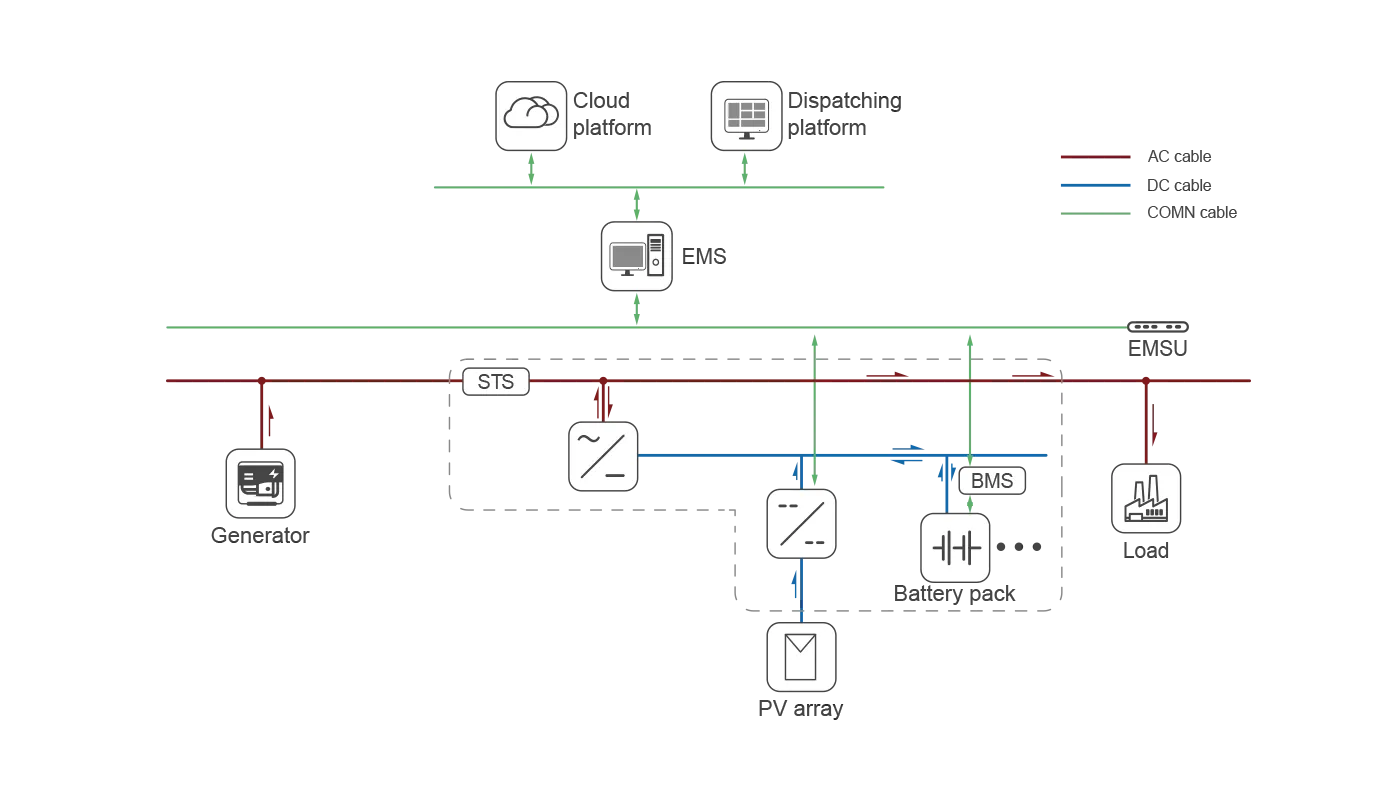
System Topology

System Topology

Revenue Model

Micro-Grid

  • For remote sites, island facilities, mining operations, and rural communities without reliable grid access, the microgrid BESS serves as the primary power backbone. Revenue is generated through long-term energy service contracts (ESCO), where customers pay per kWh delivered — typically at rates 20–40% lower than diesel-only generation, while the operator captures the margin through optimized solar-storage-diesel dispatch.
  • Energy-as-a-Service (EaaS) contracts: $0.15–$0.35/kWh for off-grid power delivery
  • Reduce customer's energy costs by 20–40% compared to diesel-only systems
  • Long-term PPAs (10–20 year contracts) provide stable, predictable cash flow
  • Additional revenue from grid extension avoidance: $50,000–$500,000+ per project

Self-Consumption

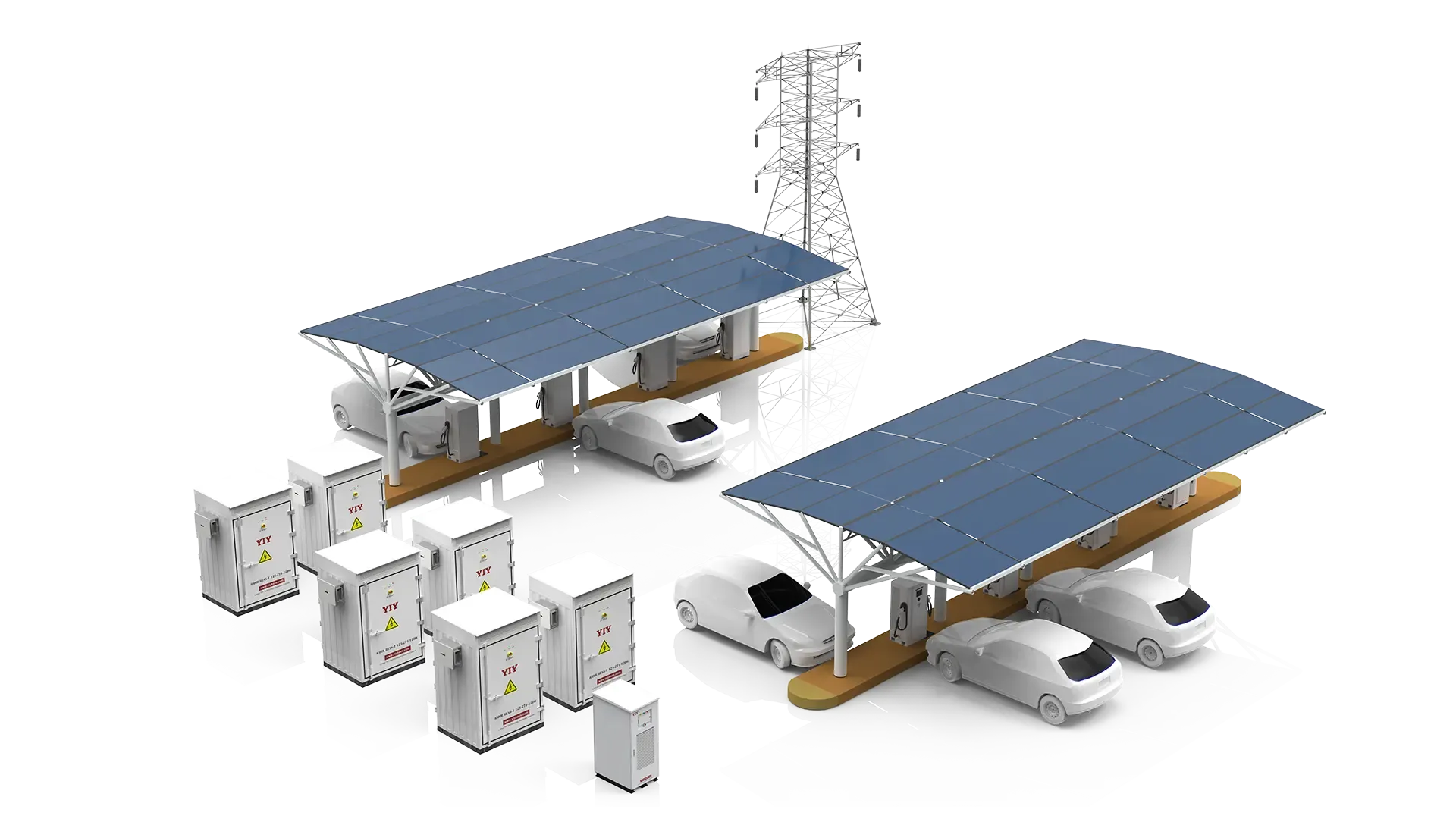
  • For grid-connected commercial and industrial facilities, the BESS maximizes on-site solar self-consumption from 40–60% to 85–95%. Revenue comes from three streams: reduced electricity purchases (peak shaving), demand charge reduction, and participation in utility demand response programs. The system pays for itself through operational savings while providing backup power resilience.
  • Increase solar self-consumption ratio by 30–50 percentage points
  • Peak shaving reduces demand charges by 15–25% ($30,000–$150,000/year for large facilities)
  • Time-of-use arbitrage: capture $0.10–$0.40/kWh daily price spreads
  • Demand response payments: $50–$200/kW/year from utility curtailment programs

High-Power Portable Power Station

  • The modular BESS units can be deployed as high-power portable power stations for temporary applications: construction sites, outdoor events, disaster relief, and emergency backup. Revenue is generated through equipment rental, short-term energy service contracts, and emergency power supply agreements. The plug-and-play design enables rapid deployment within hours.
  • Equipment rental: $500–$2,000/day for 100kW+ portable power stations
  • Event power supply: $5,000–$50,000 per event for festivals, concerts, and exhibitions
  • Emergency backup contracts: retainer fees + per-kWh charges for guaranteed rapid deployment
  • Relocatable assets: move between projects to maximize utilization rate (target 70%+)

Frequently Asked Questions

A microgrid is a localized energy system that can operate independently or in parallel with the main grid. The BESS is the backbone of a microgrid — it stabilizes voltage and frequency, balances supply and demand, and provides the inertia that keeps the system stable during transitions between grid-connected and island mode.
Yes. In island mode, the BESS forms the grid backbone, maintaining stable voltage and frequency for all connected loads. It coordinates multiple energy sources — solar PV, wind, diesel generators — to ensure continuous power supply without main grid connection. This is ideal for remote communities, mining operations, and island facilities.
The BESS provides millisecond-level response to load fluctuations. When a large load starts (e.g., a motor or compressor), the BESS instantly injects power to prevent voltage sag. When load drops, it absorbs excess energy to prevent voltage rise. This dynamic stabilization ensures power quality meets industrial standards.
The BESS detects the grid outage within milliseconds and seamlessly transitions to island mode. Critical loads continue receiving power without interruption. Non-critical loads can be shed automatically to preserve battery energy. When the main grid is restored, the system synchronizes and reconnects automatically.
Yes. The microgrid BESS supports coordination with solar PV arrays, wind turbines, diesel generators, and even hydrogen fuel cells. The intelligent EMS optimizes the dispatch of all sources based on availability, cost, and priority, maximizing renewable energy use while ensuring reliability.

Get a Quote for MICROGRID BESS

We usually reply within 12 hours
Prefer instant messaging?

Or chat on WhatsApp

Call us directly:
+86 13588942900