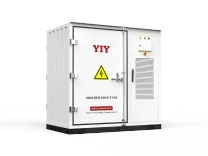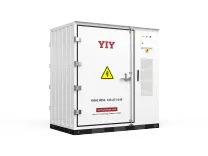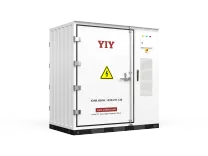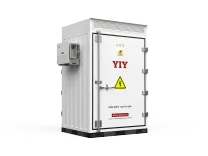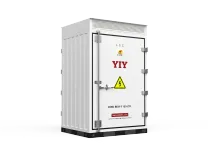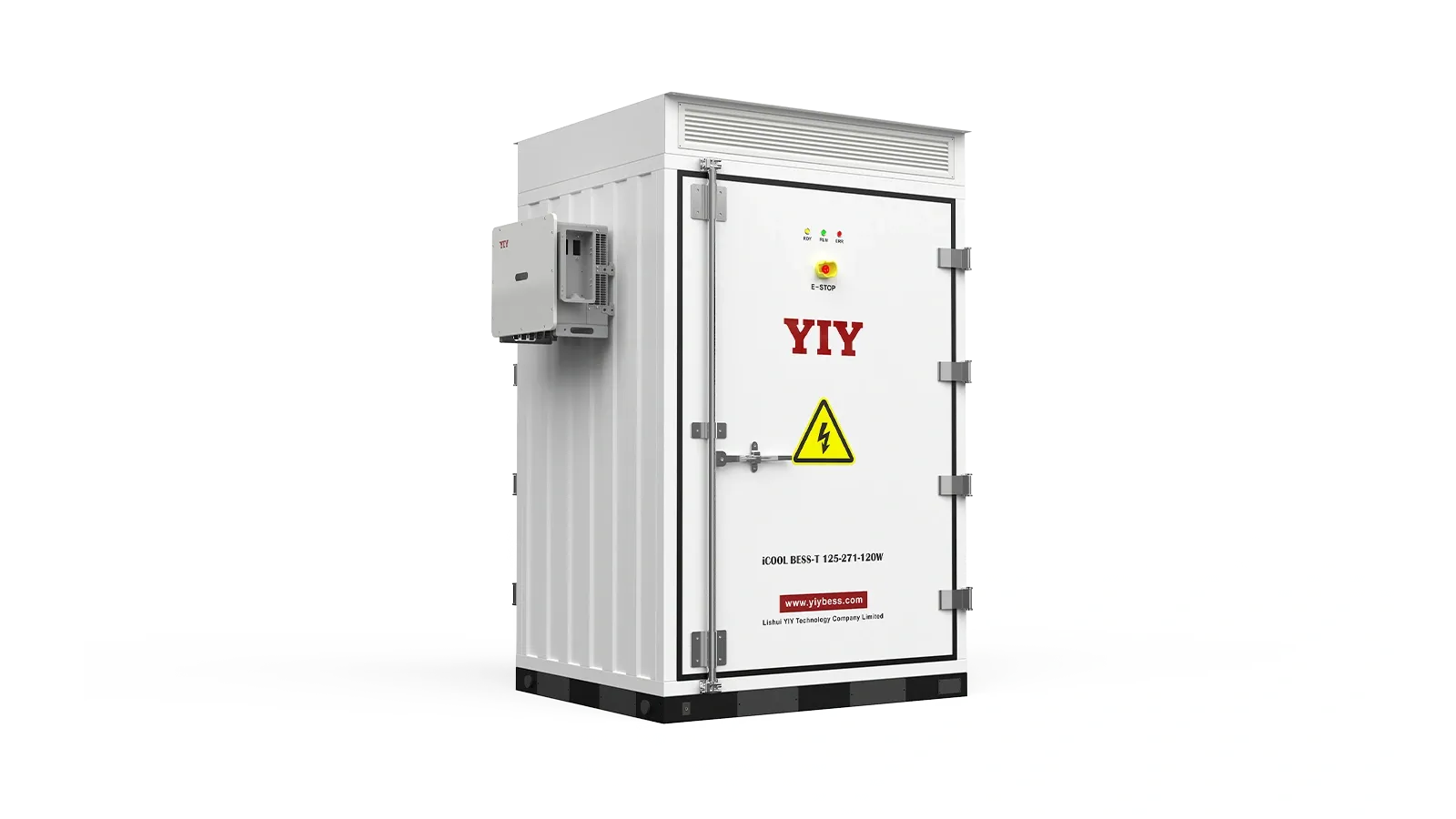
Solar Battery Storage for Commercial & Industrial Sites

  • VPP
  • Self-consumption
  • Off-grid operation (black start)
Solar Battery Storage for Commercial & Industrial Sites

Overview

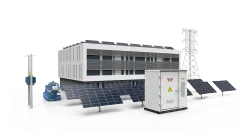
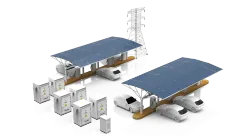
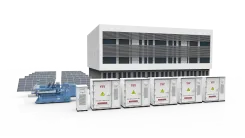
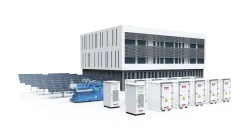
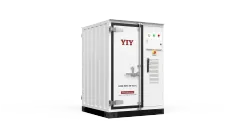
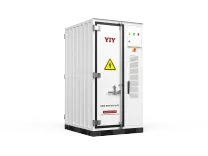
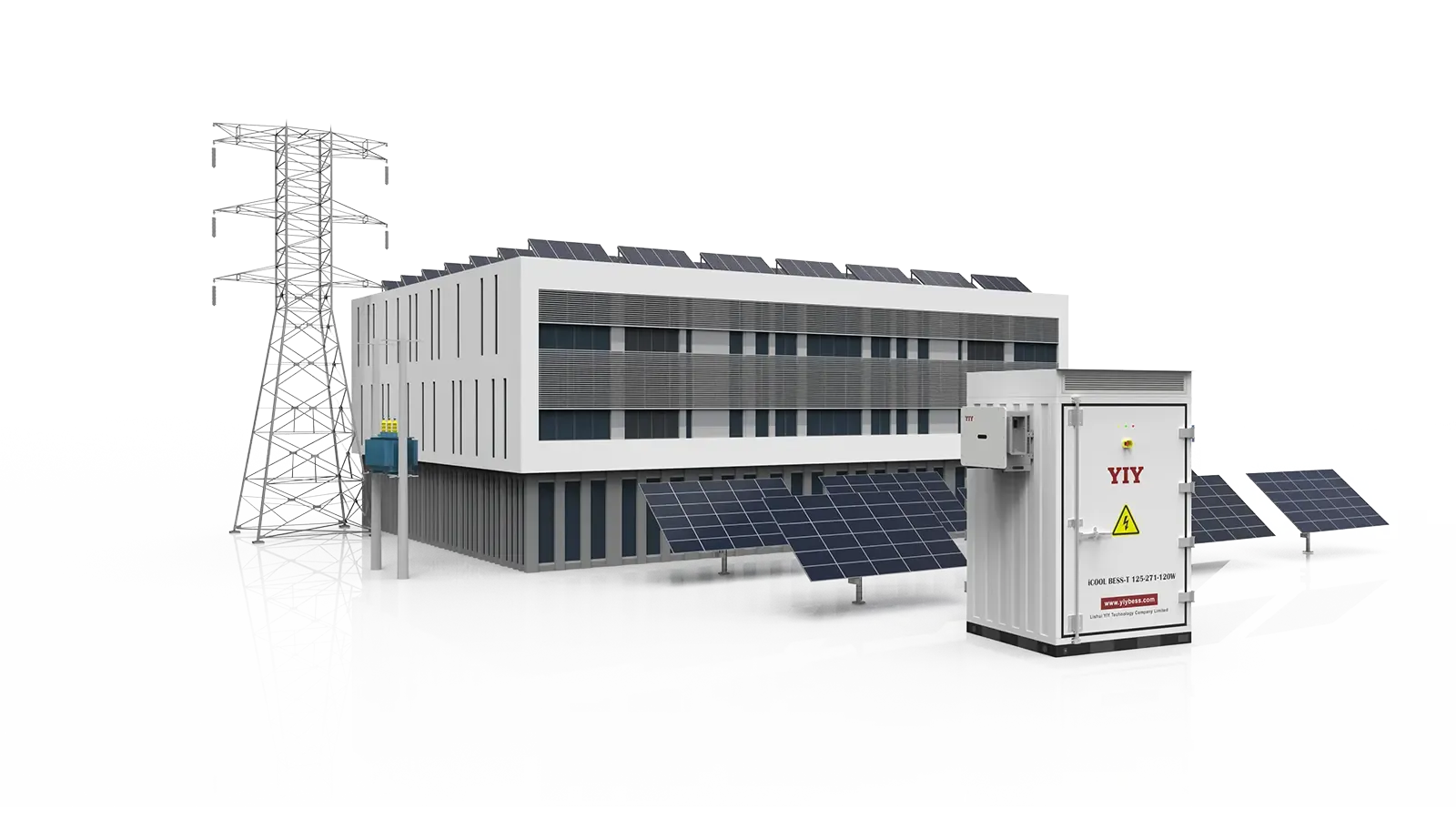
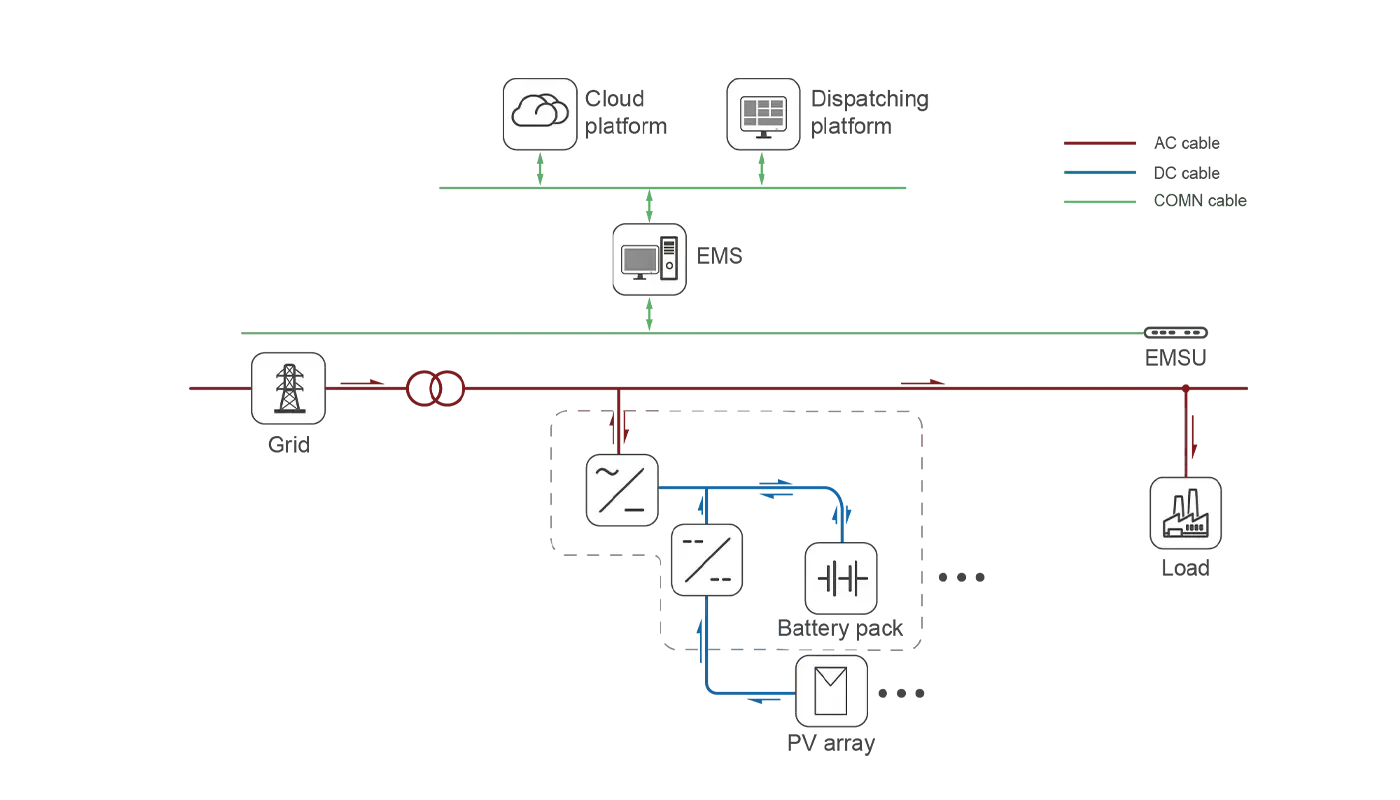
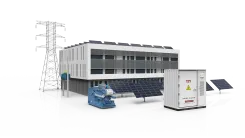
This system adopts a DC-coupling architecture and anti-backflow design , integrating energy management system (EMS), bidirectional inversion, MPPT PV control, and a high-precision Battery Management System (BMS). It is equipped with long-cycle LFP batteries to form an integrated energy storage unit.

The system executes the intelligent energy scheduling strategy on a 24-hour cycle: solar power is prioritized for on-site consumption, with surplus energy stored. During insufficient sunlight or high electricity prices, the battery discharges to support the load, achieving "self-generation and self-consumption, surplus storage."

Additionally, the system features virtual power plant (VPP) node functionality, enabling remote response to grid dispatch and participation in services such as peak shaving demand response. In the event of grid anomalies, it can switch to off-grid mode to ensure local power supply.

Through the coordinated operation of generation, storage, consumption, and grid interaction, the system ultimately delivers 3 core values: improved energy economics, enhanced power reliability, and support for grid stability—providing users with an efficient, flexible, and resilient green energy solution.
System Topology

System Topology

Applications

Peak shaving

Peak shaving

  • Reduce Demand Charges
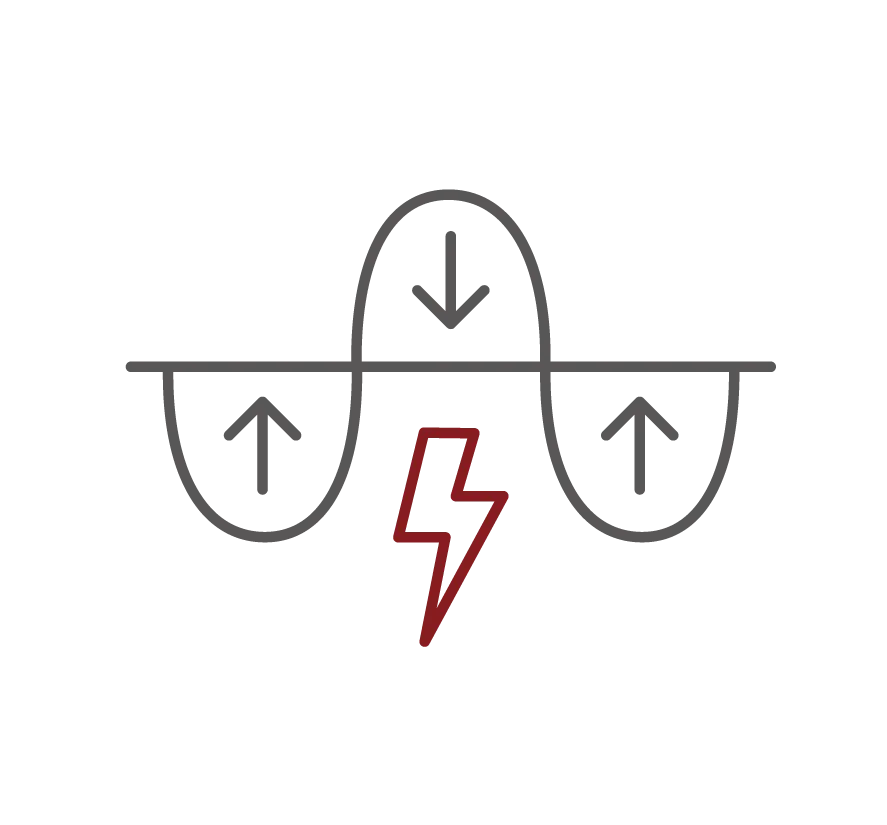
  • Lower electricity bills by managing consumption peaks. The BESS discharges during high-demand periods to shave the power peaks, preventing the facility from reaching expensive grid tariff thresholds.
  • Peak Load:​ BESS discharges to cover high-power equipment, reducing the maximum demand recorded by the meter.
  • Valley Period:​ BESS recharges using low-cost grid power in preparation for the next demand spike.
Black start capability

Black start capability

  • Restore Power Autonomously
  • Ensure operational resilience without relying on external grid power. The BESS acts as a standalone power source to reboot critical systems and restore the local grid after a total shutdown.
  • Grid Outage:​ BESS initiates startup sequence independently, energizing essential circuits and equipment.
  • System Restoration:​ Provides stable cranking power to bring larger generators or grid infrastructure back online.

Demand control

  • Uninterrupted Operations
  • Ensure continuity with intelligent BESS management. During grid failures, the system seamlessly switches​ to backup mode, instantly powering critical loads without interruption. Upon detecting an outage, it disconnects from the grid and supplies stored energy immediately. Once stability returns, the BESS auto-resumes charging—delivering fully automated, zero-downtime protection.
Electricity trading

Electricity trading

  • Monetize Energy Arbitrage
  • Generate revenue by exploiting market price volatility. The BESS buys electricity when prices are low and sells or displaces usage when prices are high, capturing the price spread.
  • Market Valley:​ BESS procures energy at low tariffs (or negative pricing) to fill the storage capacity.
  • Market Peak:​ BESS exports stored energy back to the grid or avoids high purchase costs, capitalizing on price peaks.

Frequently Asked Questions

DC-coupling means the solar PV connects directly to the battery through the DC bus, without converting to AC and back. This eliminates conversion losses (typically 3–5% per conversion stage), achieving PV utilization rates above 98.5%. The result is more green energy stored and more money saved.
The system follows a 24-hour intelligent scheduling cycle: solar power is prioritized for on-site consumption during the day. Surplus energy charges the battery instead of being exported at low prices. During evening peak hours or when solar is insufficient, the battery discharges to power your loads, avoiding expensive grid electricity.
The system can function as a VPP node, allowing a grid operator to remotely dispatch your BESS for grid stabilization services. In return, you earn revenue through demand response programs, frequency regulation payments, and capacity market participation. This turns your energy storage from a cost center into a revenue generator.
Yes. While primarily designed for grid-connected self-consumption, the system can switch to off-grid mode during grid anomalies to ensure local power supply. Black start capability allows the system to autonomously restore power without external grid support.
The anti-backflow mechanism prevents excess solar energy from flowing back into the grid, which may be restricted by local grid codes. Instead of curtailing solar production, the system redirects surplus energy to battery storage, maximizing self-consumption and compliance.

Get a Quote for Solar C&I On Grid BESS

We usually reply within 12 hours
Prefer instant messaging?

Or chat on WhatsApp

Call us directly:
+86 13588942900