Solar and Battery Storage for EV Charging

  • VPP
  • Modular Integration
  • Renewable energy consumption
Solar and Battery Storage for EV Charging

Overview

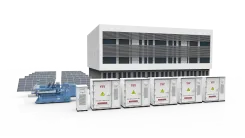
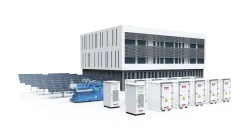
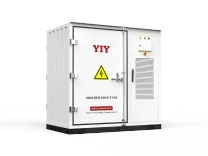
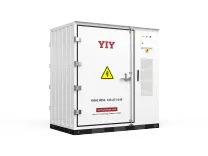
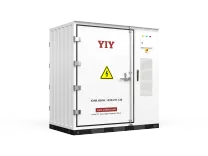
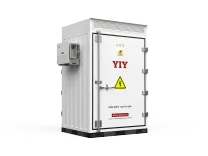
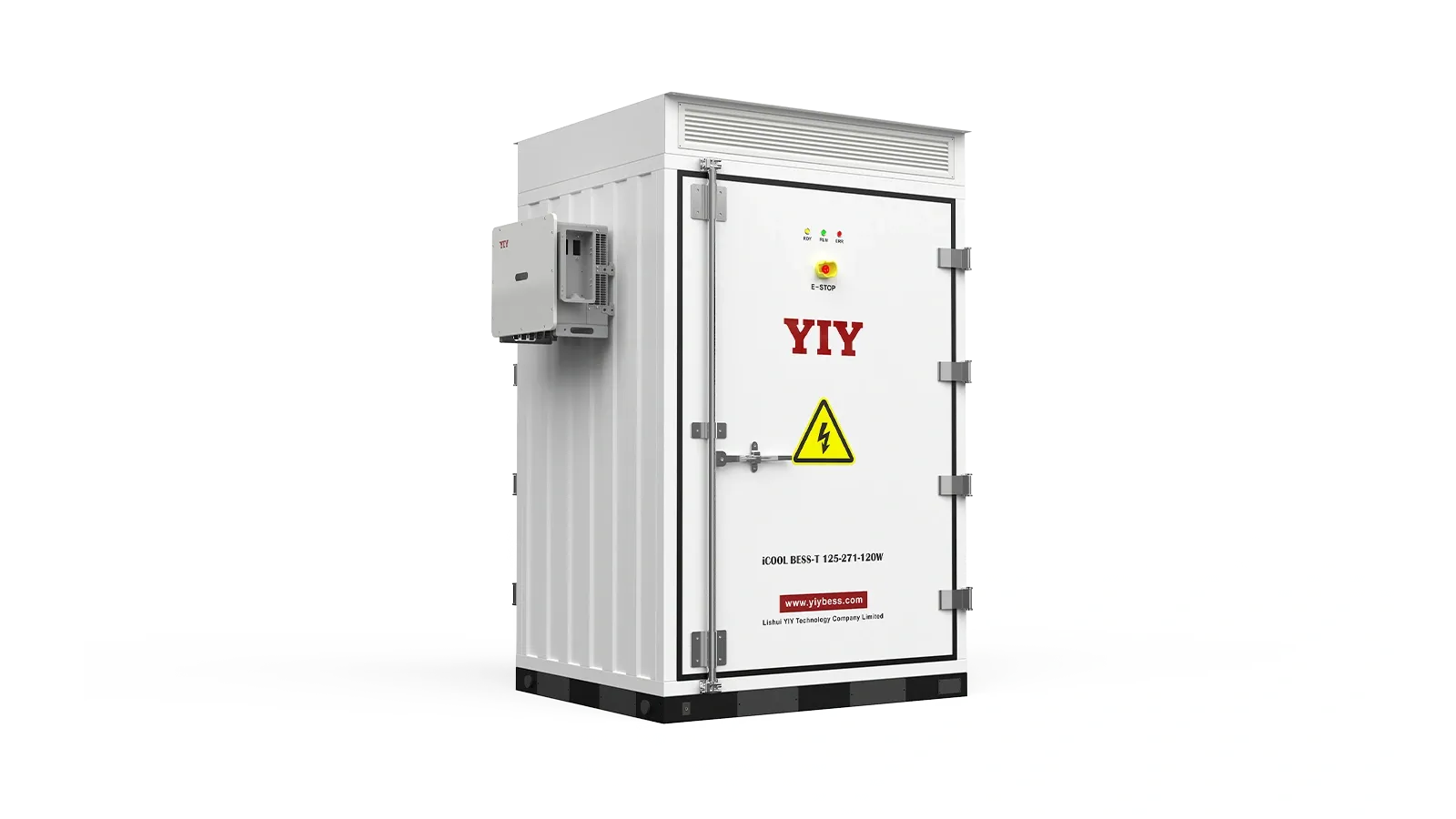
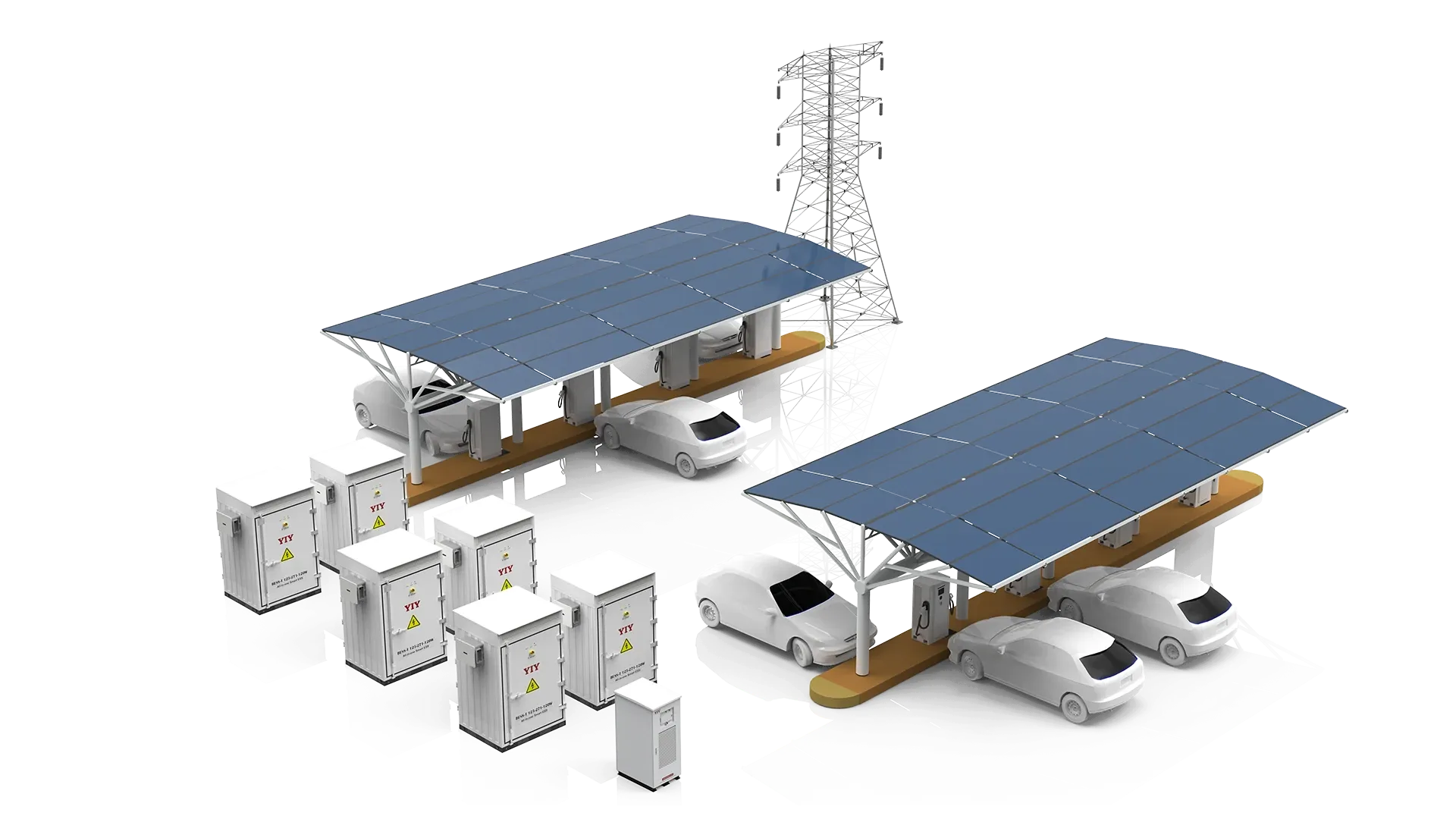
This system is an integrated " PV-ESS-Charging " smart energy station that deeply integrates PV power generation, energy storage, and intelligent charging. Its core lies in the dynamic coordination and optimized dispatch of these 3 components through a smart Energy Management System (EMS). It utilizes PV generation for local consumption of green electricity, relies on the energy storage system for "peak shaving" as well as grid interaction, effectively mitigates charging load fluctuations, and enhances grid regulation capabilities and energy utilization efficiency.

The system not only reduces charging costs and carbon emissions but also functions as a grid-friendly node with the potential to participate in demand response and Virtual Power Plant (VPP) operations. It serves as a key infrastructure solution supporting the large-scale development of electric vehicles in scenarios with a high penetration of renewable energy.
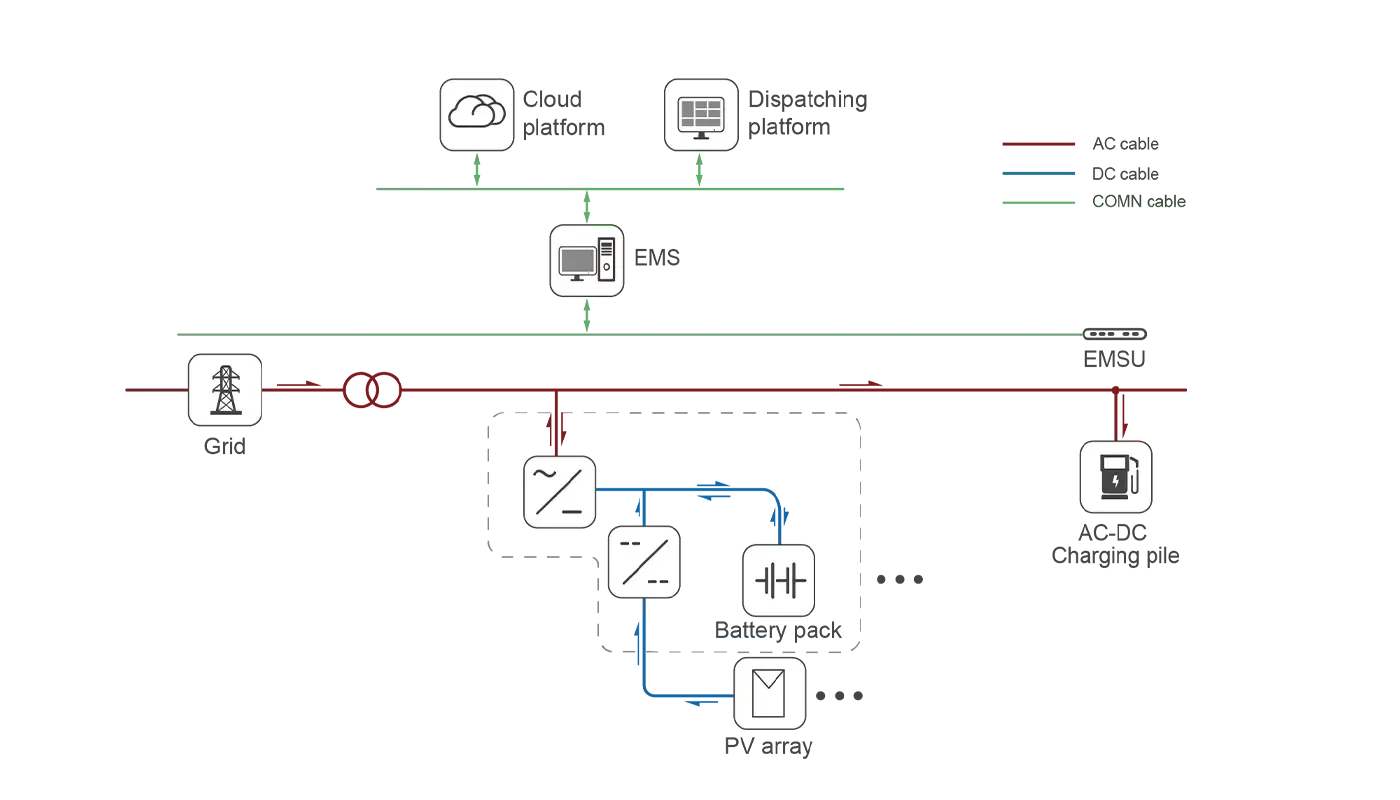

System Topology

System Topology

Applications

Capacity stability

Capacity stability

  • Ensure Long-Term Asset Value
  • Guarantee reliable energy availability throughout the battery lifecycle. The BESS employs smart charging strategies to maintain optimal capacity, preventing degradation and ensuring the system performs as expected for years.
  • High Throughput:​ BESS manages charge/discharge cycles within safe limits to preserve battery health.
  • Low Demand:​ BESS maintains a balanced state of charge, ensuring readiness without stressing the cells.
Time-of-use optimisation

Time-of-use optimisation

  • Exploit Tariff Differentials
  • Reduce energy bills by shifting consumption to off-peak hours. The BESS charges when electricity rates are lowest and discharges when rates are highest, effectively avoiding expensive peak tariffs.
  • Peak Tariff:​ BESS discharges to supply the facility, minimizing consumption from the expensive grid.
  • Off-Peak Tariff:​ BESS charges using low-cost grid power, storing energy for use during the next peak period.
Ancillary services

Ancillary services

  • Monetize Grid Stability
  • Generate additional revenue streams by supporting grid reliability. The BESS provides rapid-response services like Frequency Regulation to help grid operators balance supply and demand in real-time.
  • Grid Frequency Drops:​ BESS instantly injects power to stabilize the grid frequency at 50/60 Hz.
  • Grid Frequency Rises:​ BESS instantly absorbs excess power to prevent system overload and maintain stability.
Self-Consumption

Self-Consumption

  • Maximize Solar Utilization
  • Increase energy independence and reduce utility bills. The BESS stores excess solar energy generated during the day for use during the night or peak hours, maximizing the consumption of your own green power.
  • Solar Peak:​ BESS charges using surplus solar power that exceeds the immediate load demand.
  • Solar Valley:​ BESS discharges to power the facility when solar generation is unavailable, reducing grid reliance.

Frequently Asked Questions

Without BESS, EV fast chargers draw high peak power from the grid, triggering expensive demand charges. The BESS pre-stores energy during off-peak hours (cheap electricity) and discharges during charging peaks, smoothing the power draw. This can reduce demand charges by 30–50%, which is often the largest component of commercial electricity bills.
Yes. The integrated PV-ESS-Charging architecture prioritizes solar energy for EV charging when available. Excess solar charges the battery for later use. This means your fleet or customer vehicles can run on sunshine, significantly reducing both carbon emissions and fuel costs.
Yes. The BESS can be retrofitted to existing EV charging infrastructure without replacing chargers or grid connections. The EMS intelligently manages the power flow between solar panels, battery, chargers, and the grid, optimizing for cost and performance.
The BESS acts as a buffer between the EV chargers and the grid, reducing peak demand and avoiding the need for costly grid upgrades. For new charging station installations, this can save tens of thousands in grid connection upgrade costs. The system also provides reactive power compensation, improving local power quality.
Yes. With VPP node functionality, the integrated system can respond to grid dispatch signals, providing demand response, frequency regulation, and capacity services. Revenue from grid services can offset charging infrastructure costs, improving overall ROI.

Get a Quote for Solar EV Charging On Grid BESS

We usually reply within 12 hours
Prefer instant messaging?

Or chat on WhatsApp

Call us directly:
+86 13588942900